Uganda – 2025

A medical mission to one of the world’s largest refugee camps

Miracles happen when medical professionals and humanitarian charities risk comfort and safety to serve those most vulnerable.

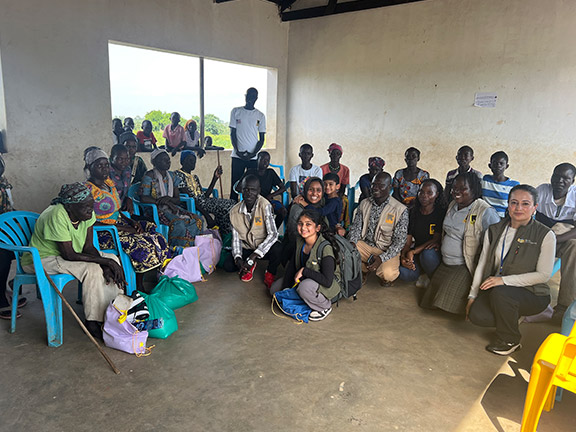
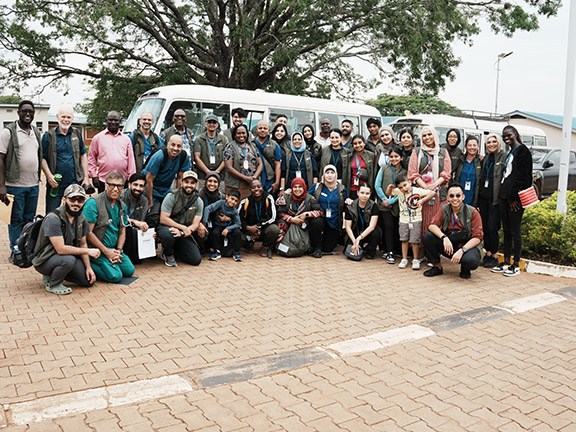
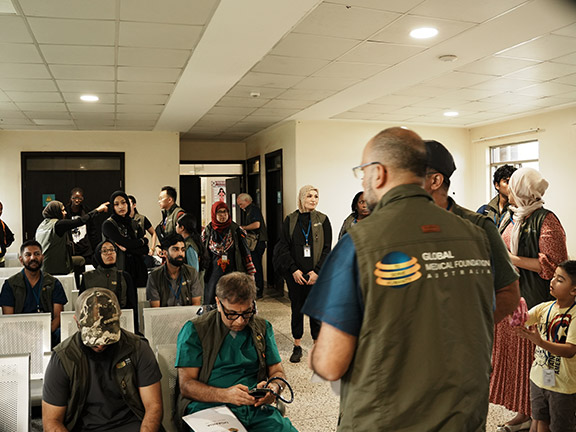
In the dusty expanse where Uganda meets South Sudan, Global Medical Foundation Australia and a small team from Safe Haven for Refugees held a five-day medical camp that would touch hundreds of lives. The mission took place at Yumbe’s Regional Referral Hospital and in various clinics throughout the sprawling Bidibidi refugee settlement—the second largest refugee camp in the world.

BidiBidi is home to over a quarter million refugees and is divided into five zones, each zone containing approximately fifteen villages. This forgotten corner of the world represents both immense human suffering and incredible resilience, creating one of the most challenging environments for humanitarian work.

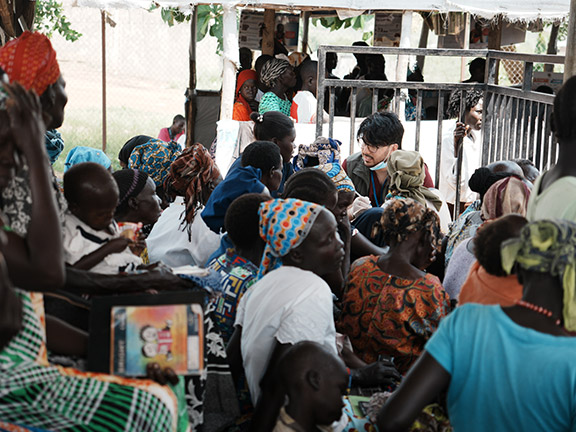
We were the first charity granted permission to conduct a medical camp within BidiBidi. While our surgeons operated at Yumbe Hospital, our general practitioners established daily medical camps across all five zones of the settlement.

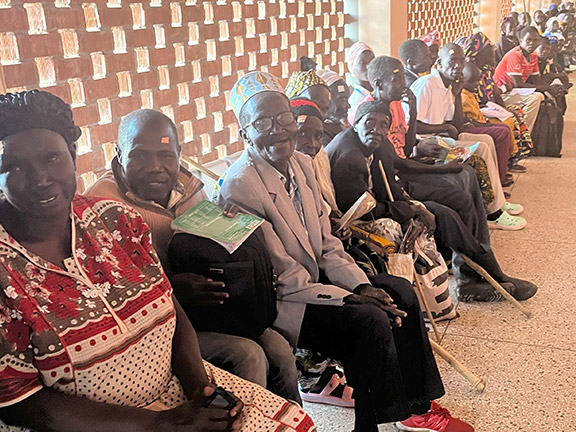
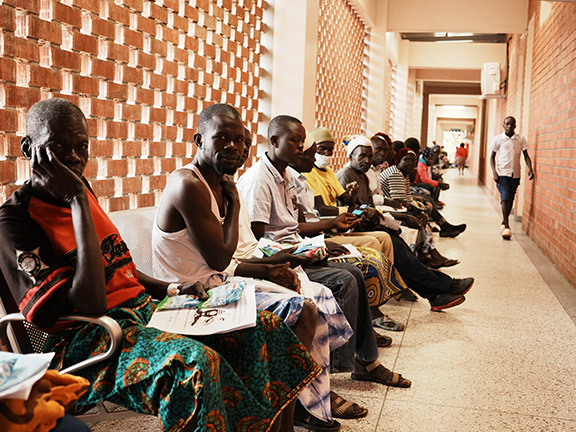
Almost 200 surgeries were performed at the Yumbe regional hospital including 103 cataract surgeries. The cataract operations literally restored sight to those who had lost hope of ever seeing clearly again. Each surgery represented not just a medical procedure, but a brightened future, a person given back their dignity and independence.

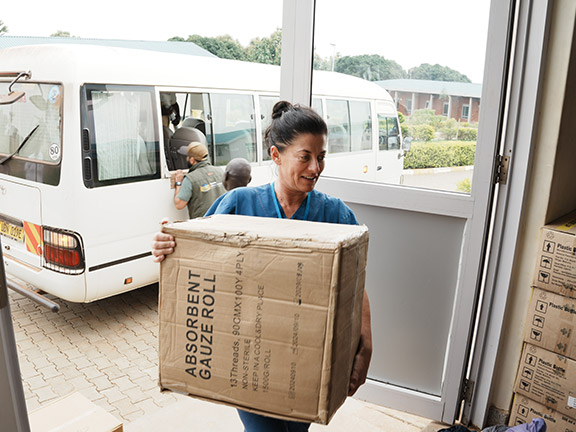
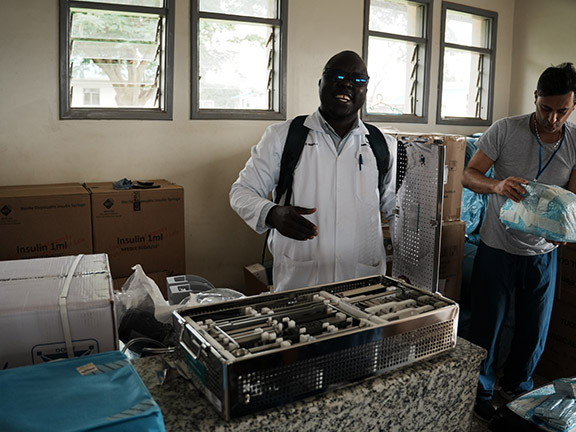
Our Australian doctors donated over $80,000 worth of surgical equipment to the hospital. Previously, to perform a single surgery in this remote region, hospital staff faced an exhausting 30-hour round trip—traveling 15 hours by bus to the nearest medical supply centre in Kampala to rent equipment, then returning with the precious cargo over the same gruelling route. Now, with the generous donations from the GMF Australia team, local medical staff can perform surgeries immediately when patients need them most, transforming not just individual lives but the entire capacity for healthcare in the region.

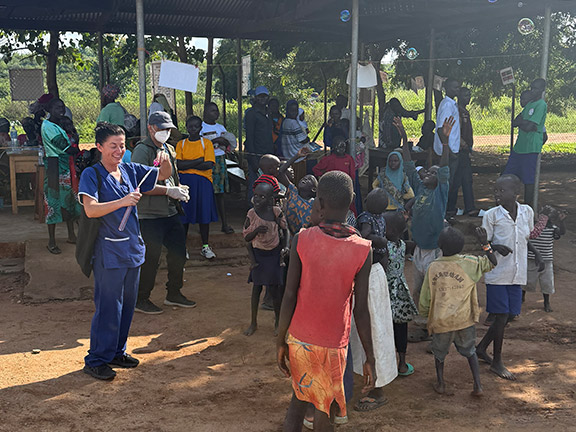
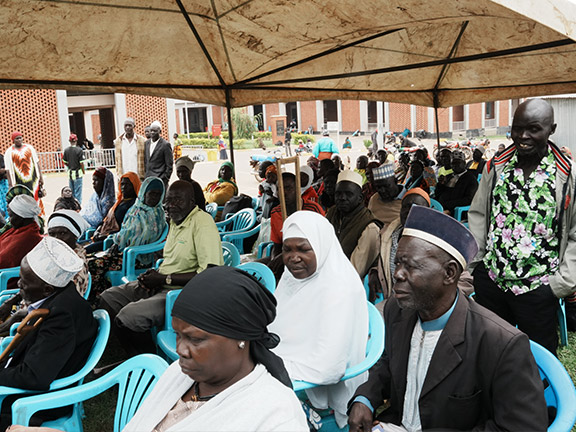
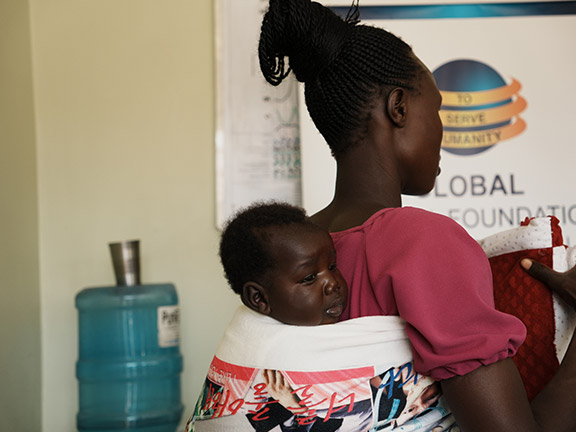
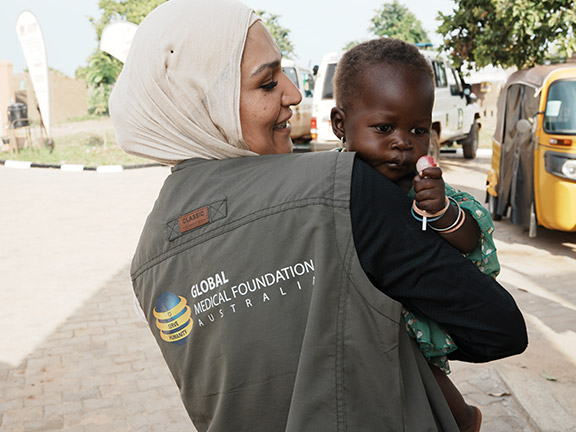
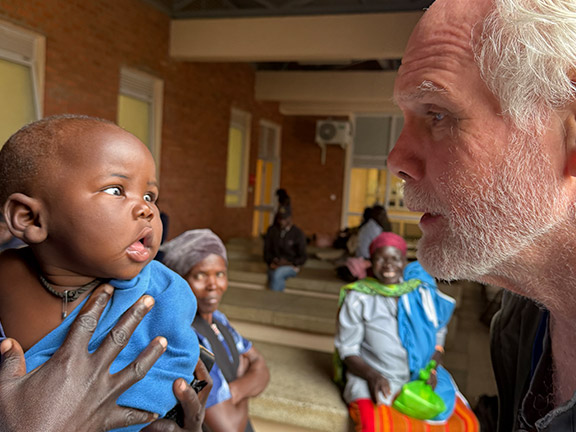
GMF’s general practitioners laboured as medical nomads, moving daily between the five zones of Bidibidi, bringing healthcare directly to those who needed it most. Each day, we worked at two clinics in each area. Approximately 1,800 refugees were treated by our doctors in the field. For many, this was the first medical care they had received in years.

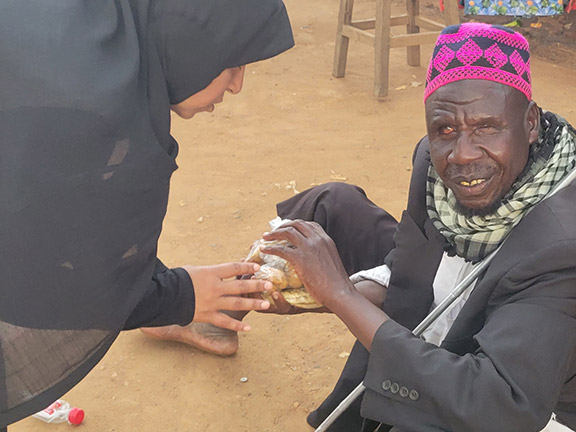
We visited one village where most of the population weighed under 50 kilos and it became painfully evident that these refugees did not need medicine—they needed food and needed it badly. Hunger is a wound that requires its own form of healing.

Within 24 hours, our team orchestrated the distribution of over two tons of rice and beans to 145 families, along with a kilogram of sugar for each household.

Beyond Medicine: Moments of Joy

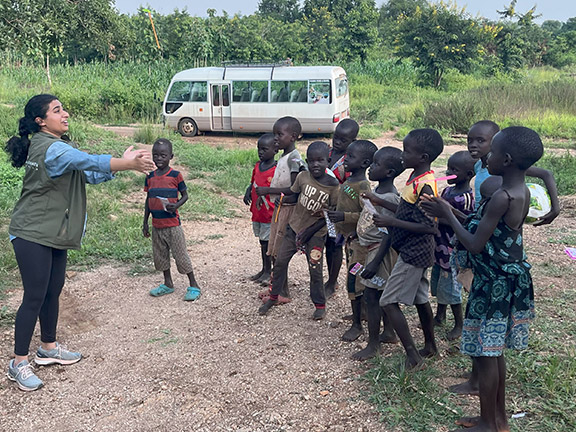
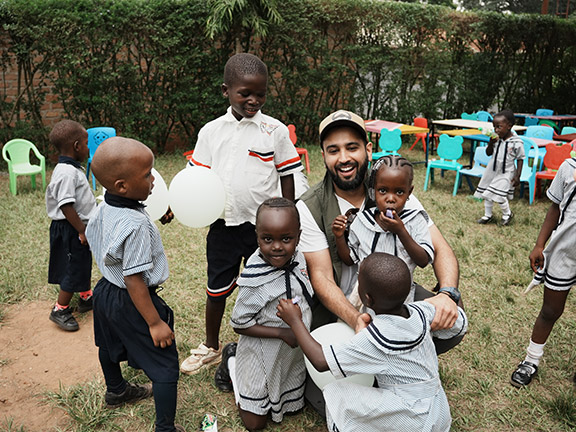
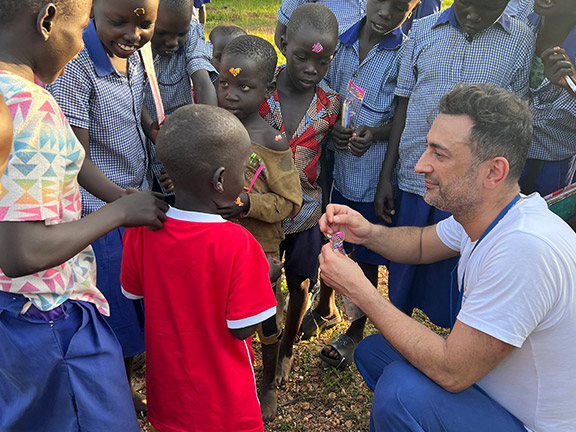
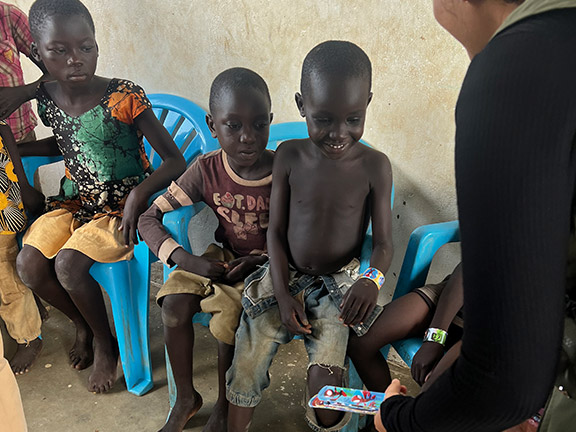
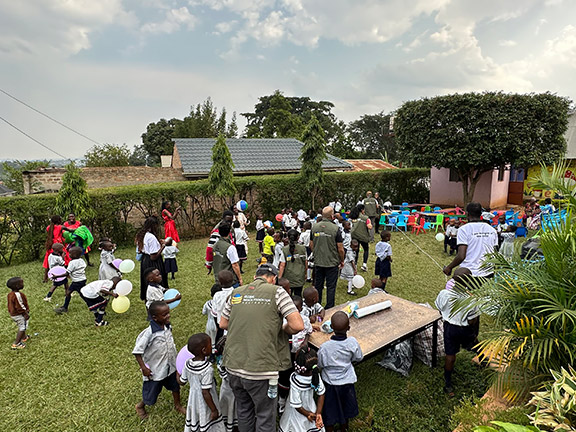
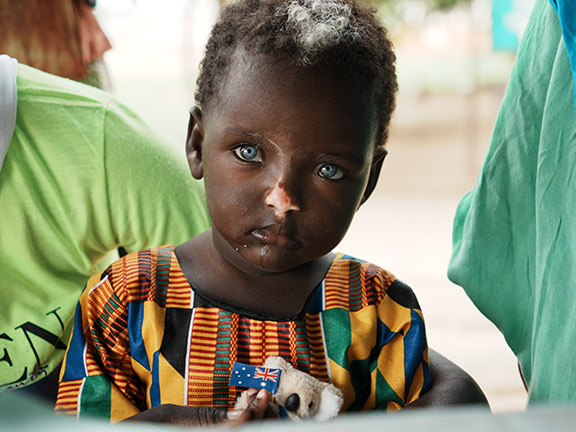
Healing extends beyond the purely medical. Our non-medical volunteers organized face painting sessions and distributed small gifts to the children patiently waiting for treatment. These acts of kindness meant so much to the young refugees; they showed that they were not merely cases to be treated or numbers to be counted, but children deserving of our attention and love. In refugee settings, these moments of normalcy for children are precious beyond measure.

Bidibidi settlement is more than a refugee camp—it’s a community of survivors carrying stories of loss, journey, and uncertain futures. The refugees we served came from diverse backgrounds: farmers who left their fields, teachers who abandoned classrooms, mothers who carried children across borders, fathers who made impossible choices.

The true measure of this mission extends beyond statistics. It lies in the restored sight of a grandmother who can now see her grandchildren clearly, the relief of a mother whose child’s fever broke, and the laughter of children with painted faces who remembered, if only briefly, what it felt like to be children again.

As the medical team departed Bidibidi, they left behind more than medical supplies and treated patients. They left the understanding that true healing requires not just medical expertise, but human connection, cultural sensitivity, and recognition that every person deserves dignity and hope. This five-day medical camp stands as a reminder of what humanitarian aid can achieve when driven not merely by duty, but by love and the belief that no one should suffer alone.

The stories of the village where everyone was under fifty kilos haunt us… It is in our power to help again. Sometimes the most profound medicine is simply knowing that someone cares enough to show up, stay, and lovingly serve. Knowing you are loved and cared for gives you faith for the future!
GIVE A FUTURE FULL OF POSSIBILITIES

Donate Now

Menu